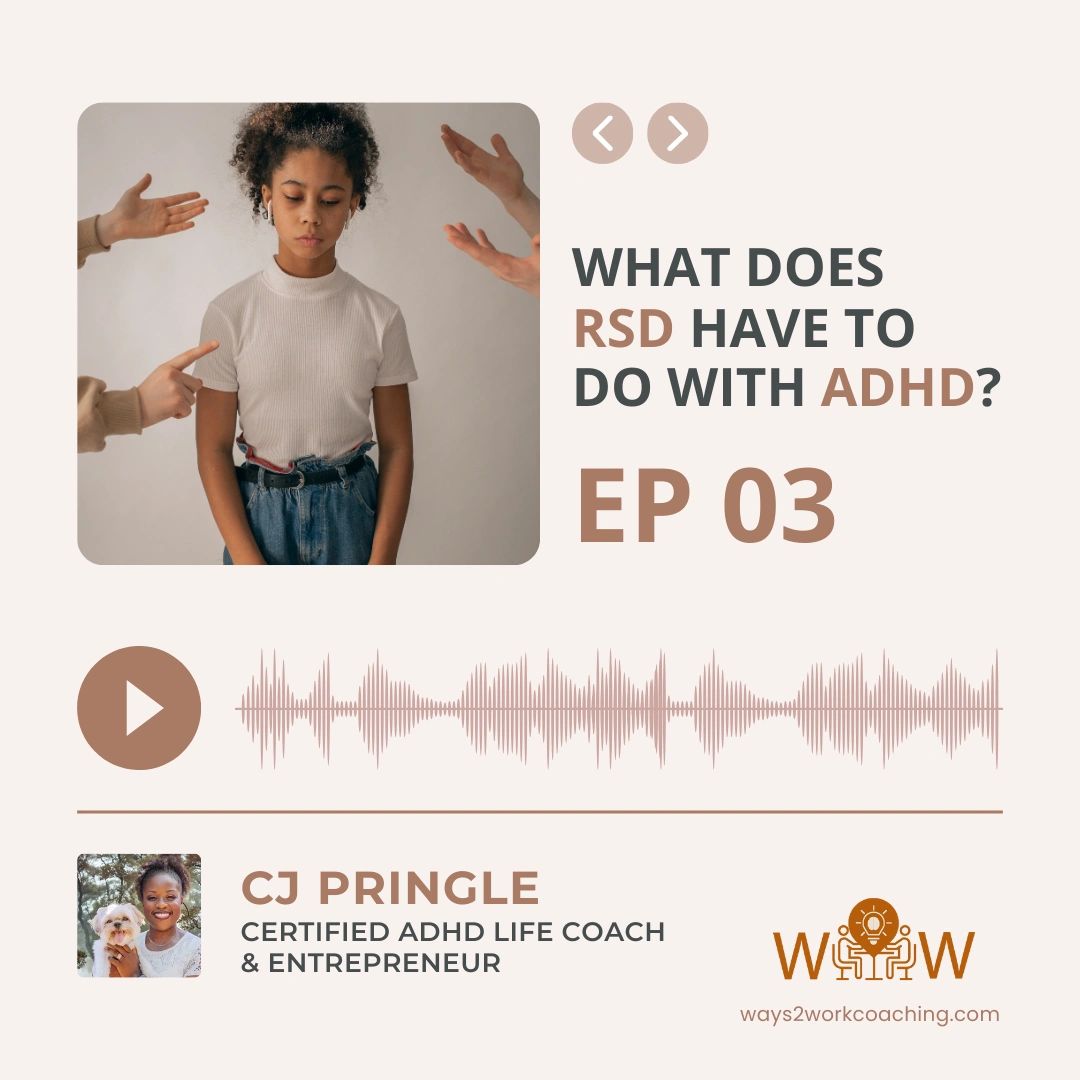
What is RSD? It stands for rejection sensitive dysphoria, an emotional condition found mainly in those with ADHD.
The name was coined by Dr. William Dodson, who describes it as “…. a triggered, wordless emotional pain that occurs after a real or perceived loss of approval, love, or respect…. and appears to be the one emotional condition found only with ADHD.”
Obviously, feelings of rejection are negative for everyone. But the negative feelings that come with RSD are much stronger and harder to manage for ADHDers. Our ADHD brains are unable to regulate rejection-related emotions and behaviors causing us to overreact to things our neuro-typical friends would call small. We misinterpret seemingly normal interactions as some form of rejection and have difficulty controlling how we respond to them. Many say that RSD is the hardest part about having ADHD, hands down. What makes it so hard?
1. One reason is when we internalize the unbearable, restricting and highly impairing emotions that result from RSD, we may appear a bit bi-polar-ish. We fly off the handle or become overly angry or sad and say or do things impulsively that we later regret. This can cause self-loathing and put a strain on our relationships. And since it can look a lot like a mood disorder, it sometimes takes longer than it should for physicians to recognize that these symptoms are associated with ADHD.
2. Our uber sensitivity to rejection constantly keeps us on the lookout, just waiting for it to show up even when there’s no real danger. This persistent anticipation can create a social phobia, or intense fear of possibly being publicly embarrassed, humiliated or harshly scrutinized in some way. This can result in missing out on real growth opportunities (professional or otherwise).
3. Some cope by becoming people pleasers to a fault, overly focused on what others think of them while losing sight of what is personally important. This can result in toxic relationships being prioritized above genuine relationships with those that truly care about us. This imbalance can lead to resentment, despair and depression.
4. The struggle to accept feedback or criticism from just about anyone is real. We either see constructive feedback as a personal attack or we self-deprecate to avoid hearing criticism from anyone else. Either way, our self-esteem takes a hit.
Below are a few examples of how my RSD has shown up:
I could go on but …. you get the idea.
So, what can we do to manage the effects of RSD? Here are a few suggestions:
1. ADHD coaching has been a huge help for many in identifying the situations and circumstances that trigger their RSD. It enables them to closely examine their thought process and become more aware of the gap between what they perceive vs. what is real. As this disconnect becomes clearer, they are better equipped to close this gap and manage how they respond in those moments.
2. ADHD medication has also helped many people with RSD to slow their thinking so they are able to better assess their situation and respond less impulsively as they learn to think more rationally in a situation that would normally trigger them.
3. Taking time to do a personal self-examination of your RSD is also helpful in reframing your thoughts. For example:
a. Describe what your RSD experience is like. How does it show up? How does it feel?
b. How long do the negative feelings typically last and how did they affect your actions?
c. What were your triggers?
d. What normally calms you in those moments?
e. As you self-reflect, how may you have unintentionally sabotaged yourself?
f. What might you do to reduce your triggers?
The bottom line is RSD makes it easy for those of us with ADHD to believe that something is wrong with us or we are broken in some way. But the reality is we just feel things with more intensity which sometimes causes us to misperceive reality and respond with a lot more passion than may typically be warranted. The more understanding and awareness we have about how our RSD shows up, the better equipped we will be to manage it.